
Diplomacy Without Conscience: Why Modi Israel Visit Demands Moral Questioning
An opinion on morality, foreign policy, and the responsibility of democratic nations
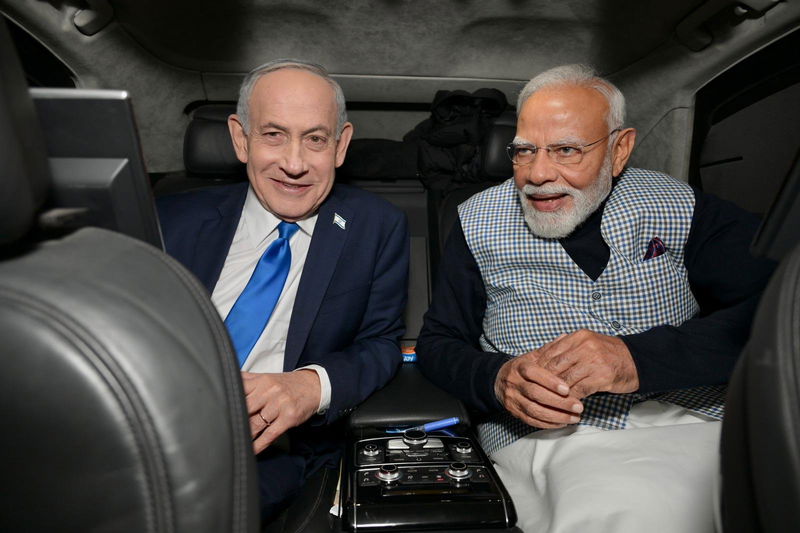

In moments of global crisis, diplomacy is never neutral. Every visit, handshake, and public statement carries moral meaning beyond political symbolism. The recent visit of Prime Minister Narendra Modi to Israel comes at a time when large sections of the international community have raised serious concerns about the humanitarian situation in Gaza. For many observers, this timing raises uncomfortable but necessary questions: Can diplomacy remain unchanged when human suffering dominates global headlines?
Across the world, protests, diplomatic statements, and debates in international forums reflect growing anxiety about civilian casualties and the humanitarian crisis unfolding in Gaza. Several countries, international organizations, and human rights groups have called for restraint, ceasefires, and accountability under international law. In such a climate, political engagement with Israeli leadership inevitably becomes more than a routine diplomatic exercise , it becomes a moral signal.
India has historically positioned itself as a voice of balance, dialogue, and peace in global affairs. From its early support for anticolonial struggles to its advocacy for peaceful coexistence, India’s foreign policy has often drawn legitimacy from ethical principles as much as strategic interests. This legacy makes present decisions subject to higher expectations, especially among young citizens who view international relations through the lens of human rights and humanitarian responsibility. Critics argue that continuing high-profile diplomatic engagement without visibly addressing humanitarian concerns risks appearing indifferent to civilian suffering. For them, neutrality in times of crisis can resemble silence. And silence, in the eyes of many activists and observers, can unintentionally normalize violence rather than challenge it.
At the same time, supporters of diplomatic engagement claim that dialogue with all sides is necessary for stability and long term peace. Diplomacy, they argue, allows influence and communication channels that isolation cannot achieve. Yet the question remains whether engagement should also carry clear ethical messaging — a reminder that strategic partnerships must coexist with humanitarian accountability. The debate therefore is not only about one visit or one leader. It reflects a broader tension between real politics and moral responsibility. Should economic and strategic partnerships outweigh humanitarian concerns? Or should democratic nations publicly align their diplomacy with universal human rights values during moments of crisis?
Young voices across the world increasingly demand that foreign policy reflect empathy as much as national interest. Social media, student movements, and independent writers are reshaping how international events are interpreted, making governments more accountable to moral scrutiny from their own citizens.
For India, a nation that prides itself on democratic ideals and civilizational values of peace, the challenge is profound. The country’s global image is shaped not only by economic growth or strategic alliances but also by how consistently it speaks for humanity during times of conflict. History often judges nations not merely by whom they allied with, but by what they stood for when suffering was visible to the world. As citizens and observers, questioning policy decisions is not an act of disloyalty; it is an expression of democratic participation. Debate, dissent, and moral reflection are essential ingredients of a healthy republic.
In times when diplomacy meets tragedy, the world watches closely, not only for political outcomes, but for signs of conscience.
Netanyahu is a criminal and world will never forget what he did to the innocent childs in Gaza. In the end, Just want to say, Mr, Modi, stop visiting “Criminals!”

Comments
No comments yet. Be the first to comment!